


info@tjprimechem.com+86 22 59891960

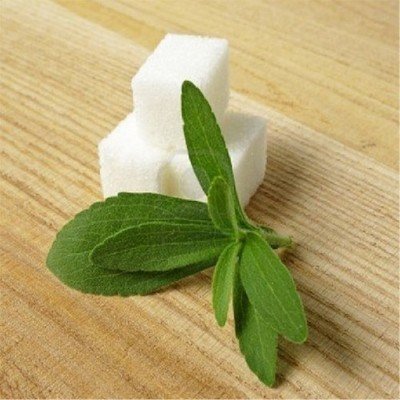
Stevia, derived from the leaves of the Stevia rebaudiana plant in the Asteraceae family, primarily contains active compounds known as steviol glycosides, such as Rebaudioside A (RebA), Rebaudioside D (RebD), and Rebaudioside M (RebM). These compounds are remarkably sweet, with a sweetness intensity 200–450 times that of sucrose, yet they contain only about 1/300th of the calories. This means that using stevia can significantly reduce the calorie content of foods while maintaining or even enhancing sweetness, meeting consumers' urgent demand for "reducing sugar without compromising sweetness."
From a health perspective, stevia offers several notable advantages. It is not absorbed by the body and does not produce calories, making it an ideal natural sweetener for individuals with diabetes or obesity. Acute toxicity tests have shown that the oral LD50 of stevia crystals in mice exceeds 16 g/kg, indicating a high level of safety. Additionally, clinical studies suggest that stevia may possess health benefits such as antioxidant effects, blood pressure reduction, and lipid regulation, contributing to the prevention and improvement of various chronic diseases. For instance, it can lower blood cholesterol and triglyceride levels, reduce low-density lipoprotein (LDL) concentration without affecting high-density lipoprotein (HDL) concentration, and increase the HDL/LDL ratio, offering significant benefits for cardiovascular health.
In the beverage market, stevia has become a core ingredient in sugar-free and low-sugar beverages. Whether in carbonated drinks, sports beverages, fruit juices, or tea drinks, adding stevia can effectively reduce sugar content while maintaining a refreshing and sweet taste. Taking Genki Forest as an example, one of its key success factors lies in using erythritol and stevia as sugar substitutes to create popular beverages labeled as "0 sugar, 0 fat, 0 calories," which have gained widespread consumer favor. Moreover, many internationally renowned brands have introduced beverages containing stevia, such as The Stevia Company's Glorious brand. Its premium coffee, blended teas, and unique stevia-infused teas all incorporate stevia to enhance flavor and promote health, meeting consumers' dual pursuit of taste and well-being.
Baked goods typically contain large amounts of sucrose, which may be detrimental to the health of specific groups such as the elderly and infants if consumed excessively. The emergence of stevia offers a new solution for the baking industry. Using stevia in the production of low-sugar baked goods like cakes and cookies can reduce sugar intake while preserving taste and quality. Thanks to its heat resistance, stevia does not break down easily or undergo browning, making it effective in maintaining the flavor of baked products.
Контактное лицо: Anna, Oksana
Моб:+86 13003135108
Тел.:+86 22 59891960
Whatsapp:+8613003135108
E-mail:info@tjprimechem.com
Адрес:ул. Хечан ,1570, Биньхай, Тяньцзинь, 300480, КНР